Structural steel is one of the most widely used materials in modern construction. From commercial buildings and warehouses to industrial facilities and large infrastructure projects, steel provides the strength, flexibility, and durability required for long-lasting structures.
However, the quality of a steel structure depends heavily on how the components are designed, fabricated, and prepared for installation. Professional structural steel fabrication ensures that every steel element is manufactured accurately, safely, and according to the project’s technical requirements.
What Is Structural Steel Fabrication?
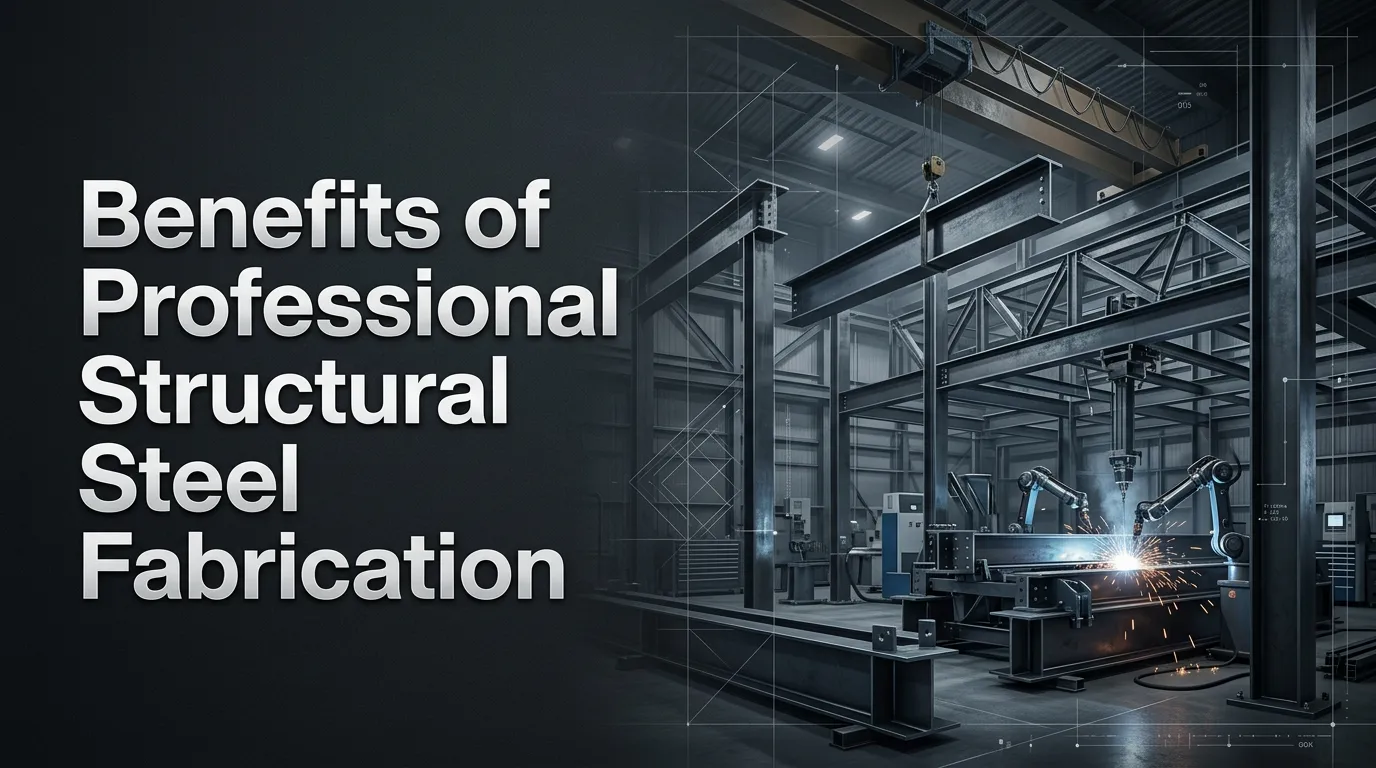
Structural steel fabrication is the process of transforming raw steel into components that can be used in construction projects. These components may include beams, columns, frames, plates, staircases, platforms, trusses, and other load-bearing elements.
The fabrication process typically involves:
- Cutting steel to the required dimensions
- Drilling and punching holes
- Bending and shaping components
- Welding steel parts
- Assembling structural sections
- Applying protective coatings
- Inspecting finished components
- Preparing materials for transportation and installation
Professional fabrication companies use detailed engineering drawings, specialised equipment, and strict quality-control procedures to produce components that fit together correctly on site.
1. Greater Accuracy and Precision
One of the main benefits of professional structural steel fabrication is accuracy.
Steel components must be manufactured according to exact measurements. Even small errors can cause alignment problems, installation delays, or additional costs during construction.
Professional fabricators use advanced machinery, digital drawings, CNC equipment, and precise measurement systems to ensure that each component meets the required specifications.
This level of precision allows steel beams, columns, plates, and connections to fit together correctly during installation.
2. Improved Structural Strength
Structural steel is designed to support heavy loads and withstand different environmental conditions. However, poor cutting, welding, or assembly can weaken the final structure.
Professional fabricators follow approved engineering specifications and welding procedures to maintain the strength of the steel.
Proper fabrication helps ensure that the completed structure can safely support:
- Building loads
- Equipment loads
- Wind pressure
- Vibration
- Temperature changes
- Long-term operational stress
This is especially important for commercial, industrial, and infrastructure projects where structural reliability is critical.
3. Faster Construction Process
Professional steel fabrication can significantly reduce construction time.
Most structural components are manufactured in a controlled workshop environment before they are delivered to the construction site. This allows fabrication work and site preparation to take place at the same time.
Once the steel components arrive on site, they can be assembled and installed more efficiently.
Accurate fabrication also reduces the need for cutting, welding, or modifying components during installation. As a result, contractors can complete the structural framework faster and keep the overall project on schedule.
4. Better Quality Control
A professional fabrication facility provides a controlled environment for manufacturing steel components.
Unlike on-site fabrication, workshop production allows fabricators to monitor every stage of the process more closely.
Quality-control procedures may include:
- Material verification
- Dimensional inspections
- Weld inspections
- Surface-quality checks
- Connection testing
- Coating inspections
- Final assembly reviews
These inspections help identify potential issues before the components are transported to the construction site.
Consistent quality control reduces errors and improves the overall reliability of the finished structure.
5. Enhanced Safety
Safety is an important consideration in every construction project.
Poorly fabricated steel components can create serious risks during transportation, lifting, installation, and long-term use.
Professional structural steel fabricators follow established safety procedures and industry standards. Skilled welders, engineers, machine operators, and inspectors work together to ensure that each component is manufactured correctly.
Accurate fabrication also makes on-site installation safer because components are easier to position, connect, and secure.
6. Cost Efficiency
Although professional fabrication requires specialist equipment and skilled labour, it can reduce the overall cost of a construction project.
Accurate fabrication helps prevent:
- Material waste
- Rework
- Installation delays
- Incorrect components
- Additional labour costs
- On-site modifications
- Project disruptions
Professional fabricators also optimise cutting plans to use raw steel more efficiently.
By reducing mistakes and improving productivity, professional steel fabrication can provide better long-term value for contractors, developers, and building owners.
7. Custom Fabrication Options
Every construction project has different structural and architectural requirements.
Professional steel fabricators can manufacture customised components based on engineering drawings and project specifications.
Custom fabrication may include:
- Steel beams and columns
- Structural frames
- Roof trusses
- Platforms and mezzanines
- Staircases and handrails
- Equipment supports
- Canopies
- Custom brackets
- Base plates
- Steel connections
This flexibility allows structural steel to be used in a wide range of commercial, residential, and industrial applications.
8. Improved Durability
Structural steel is known for its strength and long service life.
Professional fabrication improves durability by ensuring that components are cut, welded, assembled, and finished correctly.
Protective treatments can also be applied to reduce corrosion and environmental damage. Depending on the project, these treatments may include:
- Industrial paint
- Powder coating
- Galvanising
- Fire-resistant coatings
- Corrosion-resistant primers
The correct surface treatment helps protect structural steel from moisture, chemicals, weather exposure, and daily wear.
9. Easier On-Site Installation
Correctly fabricated components make the installation process more efficient.
Each beam, column, plate, and connection is prepared according to the project drawings. Bolt holes, connection points, and dimensions are completed before delivery.
This allows the installation team to assemble the structure with fewer adjustments.
Professional fabrication can also include trial assembly before delivery. This helps confirm that major components fit together correctly before they reach the site.
10. Compliance With Project Standards
Construction projects must follow specific engineering, safety, and building requirements.
Professional steel fabrication companies work according to approved drawings, material specifications, welding procedures, and quality standards.
Maintaining proper documentation and inspection records can also support project approvals and final construction inspections.
Working with an experienced fabricator helps contractors ensure that structural components meet the technical requirements of the project.
11. Reduced Material Waste
Steel fabrication requires careful planning to minimise offcuts and unused material.
Professional fabricators use digital modelling and cutting software to create efficient production layouts.
This helps maximise the amount of usable material from each steel plate, beam, or section.
Reduced material waste lowers costs and supports more sustainable construction practices.
Steel itself is also highly recyclable, making it a practical material for environmentally responsible building projects.
12. Suitable for Different Types of Projects
Professional structural steel fabrication can be used for projects of different sizes and complexity.
Common applications include:
- Commercial buildings
- Warehouses
- Factories
- Retail facilities
- Office buildings
- Agricultural buildings
- Industrial platforms
- Equipment structures
- Schools
- Healthcare facilities
- Infrastructure projects
- Residential steel structures
The adaptability of steel makes it suitable for both simple frameworks and complex custom structures.
Why Choose a Professional Steel Fabrication Company?
Choosing the right structural steel fabrication company can have a major impact on the success of a project.
An experienced fabricator should have:
- Skilled and qualified workers
- Modern fabrication equipment
- Strong quality-control procedures
- Experience with similar projects
- Knowledge of structural drawings
- Reliable production capacity
- Safe working practices
- Clear project communication
- Professional installation support
A reliable fabrication partner can help manage the process from material preparation and manufacturing to delivery and installation.
Conclusion
Professional structural steel fabrication offers important benefits for modern construction projects. It improves accuracy, structural strength, safety, durability, and installation efficiency.
It can also reduce material waste, prevent costly errors, and help projects stay within schedule and budget.
Whether the project involves a commercial building, warehouse, industrial facility, or custom steel structure, working with an experienced structural steel fabrication company helps ensure that every component is manufactured to the required standard.
Investing in professional fabrication is not only about producing steel components. It is about creating a safe, reliable, and long-lasting structure.